AUSTIN, Texas — Mobility is something many of us take for granted. But for Owen Kent, every movement carries meaning—and a mission. His personal experience living with muscular dystrophy is driving innovation that’s reshaping what independence looks like through assistive technology.
Kent is the co-founder and Chief Marketing Officer of Assistive Technology Development (ATDev), a startup blending robotics, artificial intelligence, and computer vision to create tools that restore independence for people with physical challenges. Alongside his former UC Berkeley roommate, Todd Roberts, ATDev’s CEO, Kent is helping redefine how mobility and rehabilitation intersect.
“I have no movement below my neck,” Kent explains. “But I’m able to live independently thanks to technology—and my amazing caregivers.”
That mix of personal insight and technical ambition fuels ATDev’s approach: building robotic systems that meet people where they are and help them reach higher levels of function and freedom.
Turning Rehab Into Real Progress
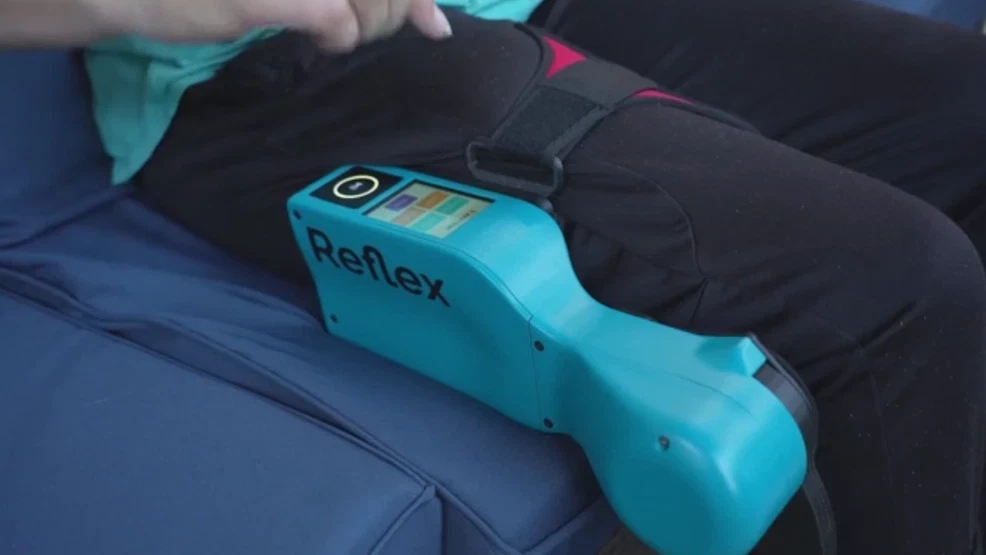
For millions recovering from injury, stroke, or surgery, rehabilitation can be slow and inconsistent. ATDev’s answer is Reflex, a telehealth-enabled robotic rehab device that helps people walk again by guiding movements with precision and repetition.
Kent is the co-founder and Chief Marketing Officer of Assistive Technology Development (ATDev), a startup blending robotics, artificial intelligence, and computer vision to create tools that restore independence for people with physical challenges. Alongside his former UC Berkeley roommate, Todd Roberts, ATDev’s CEO, Kent is helping redefine how mobility and rehabilitation intersect.
Imagine having a physical therapist who never gets tired. Reflex offers consistent, repeatable support through every single rep—helping rebuild muscle memory and speeding recovery.
Expanding Independence With Robotics
ATDev is also advancing mobility through RAMMP, a robotic arm system mounted to a wheelchair that lets users interact with the world more intuitively. Using tiny joysticks or head switches, Kent himself demonstrates the system’s dexterity—controlling the arm to pick up and manipulate objects seamlessly.
“The technology I use every day helps me run a venture-backed company and live independently,” Kent says.
The Next Frontier: Shared Autonomy
Kent and Roberts see their next challenge as teaching machines to anticipate human intent—a concept they call shared autonomy. It’s technology smart enough to recognize not just that someone is near the refrigerator, but that they want to open it and grab something inside.
This evolving level of machine understanding could redefine how people with physical limitations interact with their environment—turning mobility tools into true extensions of the self.
“Being able to give someone back a sense of dignity and privacy,” Kent says, “is incredibly meaningful. It’s about restoring agency.”
And that, perhaps, is the most powerful innovation of all.
Learn more about MassRobotics Residents here