Public-facing robots are no longer experimental technologies. Delivery robots, cleaning and security robots, assistive systems, and robotaxis are already operating on sidewalks, at curbs, in hospitals, airports, campuses, and dense urban environments. Their presence is now a lived reality in many cities. However, the governance frameworks guiding their deployment have not kept pace with this rapid expansion.
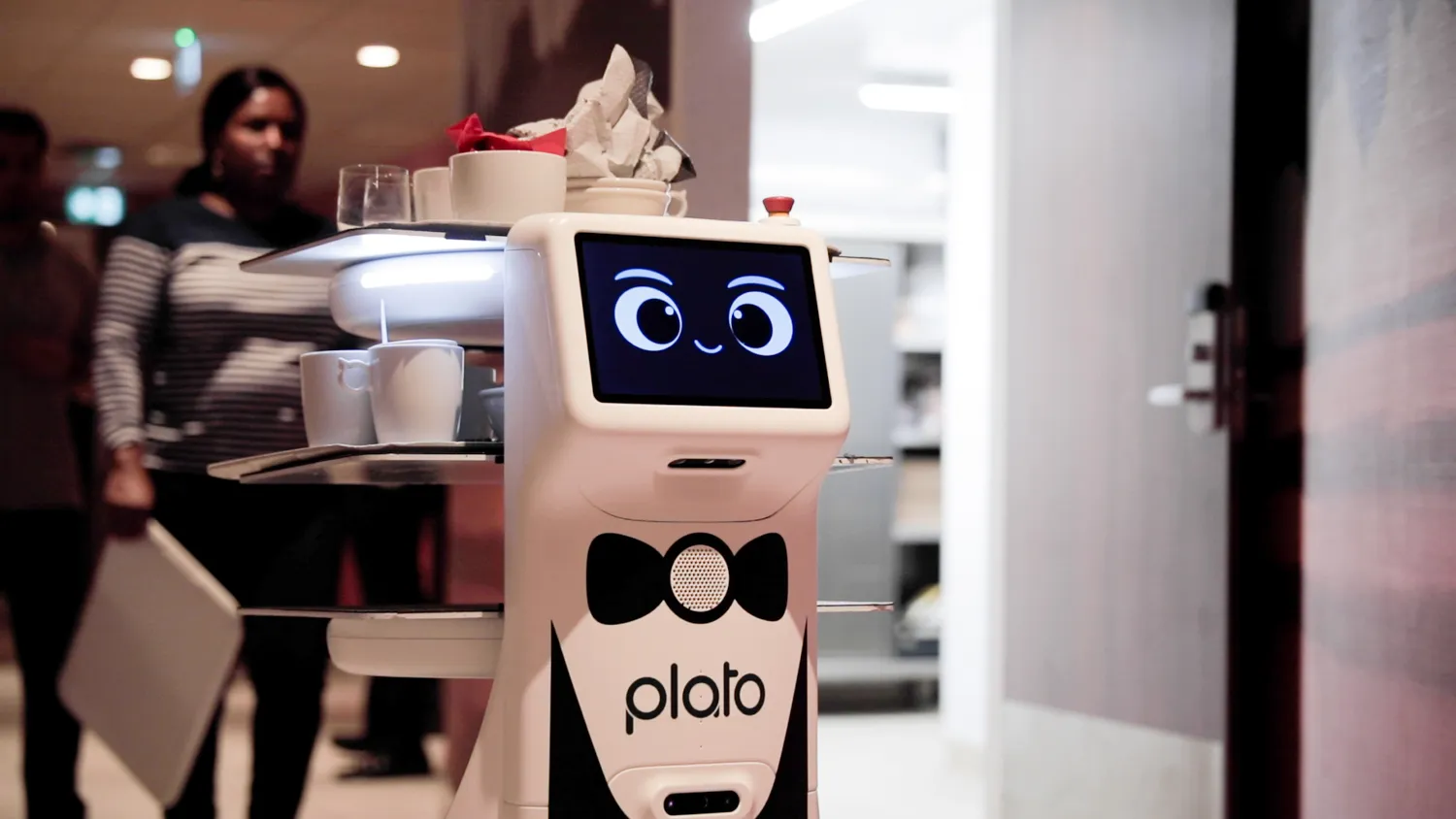
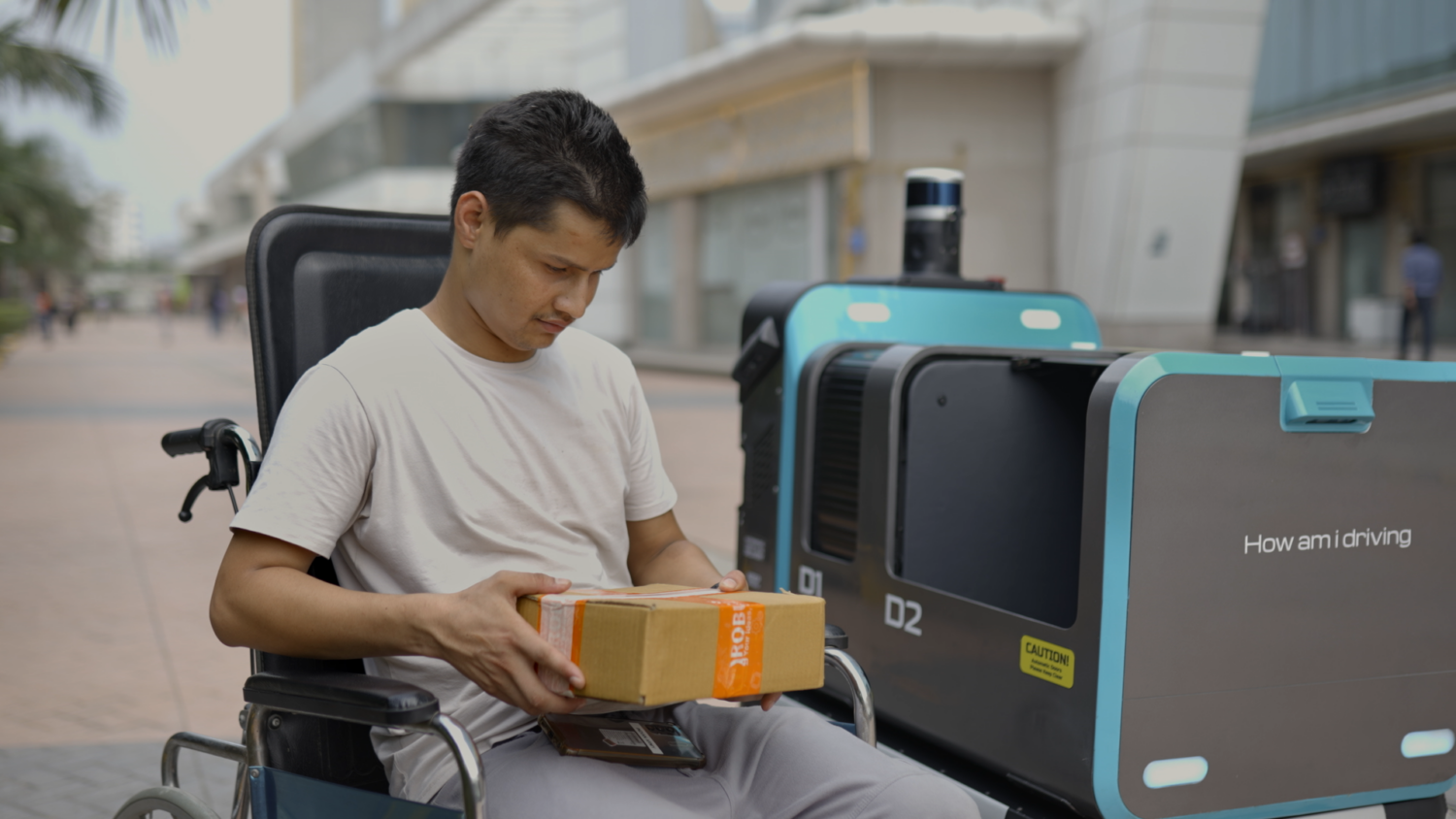
Most existing regulations treat robots as products, vehicles, or pilots. These categories fail to account for autonomous systems operating among non-consenting members of the public in dynamic, socially complex, and unstructured environments. In response to this gap, a multi-stakeholder workshop was convened on September 25, 2025, at MassRobotics in Boston, bringing together representatives from government, industry, healthcare, urban planning, standards organizations, and measurement science. Summarized findings reflect real-world deployment experience and regulatory responsibility rather than theoretical positions.
An executive summary on Public-Facing Robots in Shared Spaces was developed from this workshop and will be followed by a more in depth analysis with examples and suggestions on how all stakeholders can work together to provide cohesive solutions to enabling a future where robots and people can co-exist. This work is a joint effort of ASTM International, MassRobotics, the National Institute of Standards and Technology (NIST), and the Urban Robotics Foundation, and builds on insights from the multi-stakeholder workshop and real-world deployment experience.
From the workshop a clear consensus emerged: the central risk is no longer whether robots will appear in public spaces, but whether governance will evolve quickly and coherently enough to earn public trust. Without coordination, cities face fragmented rules, reactive bans following incidents, legal uncertainty, and public skepticism. With thoughtful standards and planning, public-facing robots can instead become trusted elements of civic infrastructure that support safety, accessibility, and economic vitality.
Public-facing robots are fundamentally different from industrial or home robots. They operate among people who have not opted in, have no training, and may have no intention of interacting with them. Public environments are unpredictable, shaped by human behavior, cultural norms, variable terrain, and unreliable connectivity. Unlike traditional technologies with a single, easily understood purpose, robots can change roles and behaviors depending on context. In public space, the burden of adaptation must fall on the robot, not on bystanders.
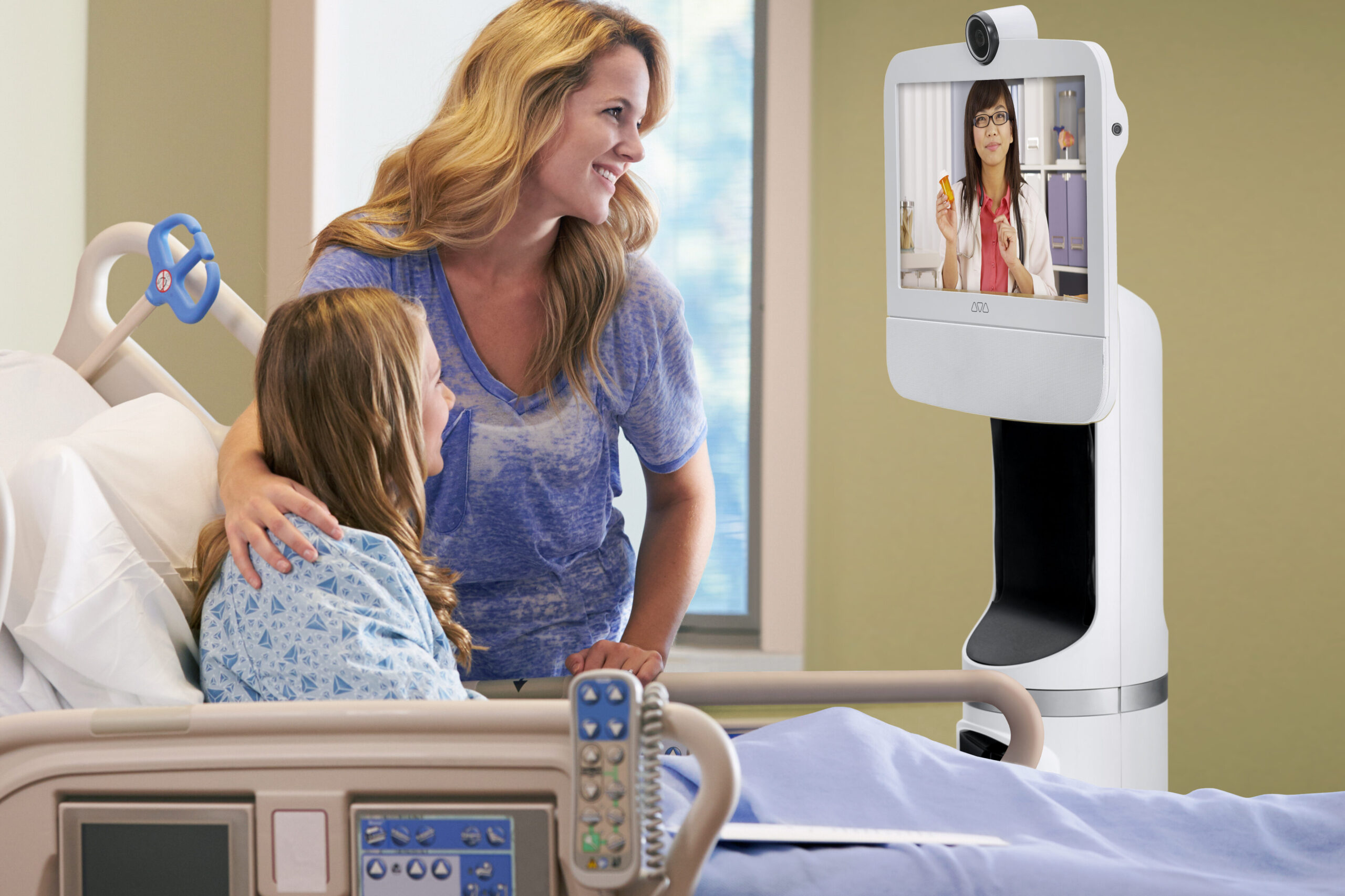
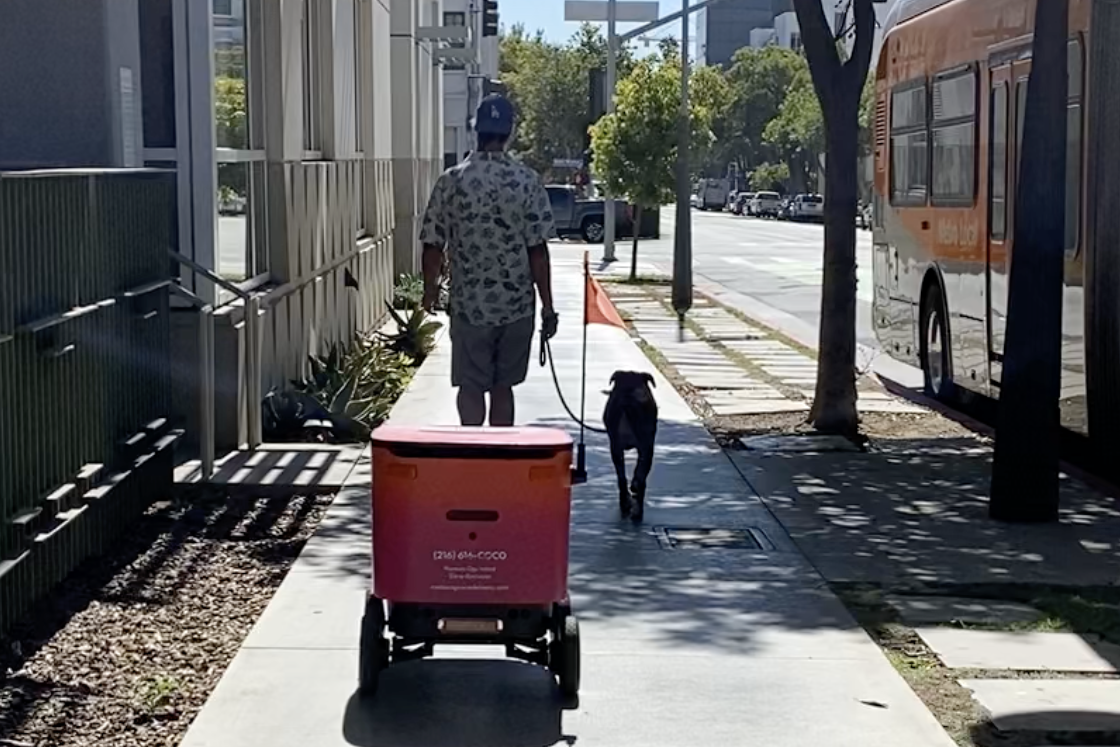
The workshop highlighted several practical frameworks already taking shape that can be adopted now: clear robot registration and identification; baseline, outcome-based technical safety expectations; standardized incident reporting supported by limited “black box” data; and context-specific operating rules that reflect differences in place, time, and density. These approaches do not require new technologies or sweeping regulation, but alignment and consistency.
Legibility and first responder integration were emphasized as core safety requirements. Robots must clearly communicate their purpose, status, and intent to untrained members of the public, and emergency personnel must be able to quickly identify, assess, and intervene when necessary. Incident reporting, modeled on aviation safety practices, enables shared learning and continuous improvement.
From an urban planning perspective, public-facing robots should be treated not as isolated devices but as new users of the built environment. Proactive integration into planning, curb management, accessibility design, and community engagement is essential to avoid conflict and inequity. Robotaxis, particularly at the curb, illustrate how vehicle-centric rules are insufficient for shared automated systems operating among people.
Success will be defined by quiet foundations rather than flashy deployments: widely adopted standards, clear accountability, harmonized local pathways, evidence-based learning, and growing public trust. Public-facing robotics is already here. The choice now is whether governance evolves deliberately and collaboratively, or reactively after trust has been lost.
We invite feedback from stakeholders across government, industry, standards development, urban planning, accessibility advocacy, and the general public. This input will help refine recommendations related to governance, standards, safety, accessibility, and public trust for mobile robots operating in public and semi-public environments. Responses received during this review period will inform a forthcoming final report and ensure that its conclusions reflect broad, cross-sector perspectives rather than any single viewpoint.